
K-Pop Backstage EP.3 · Part 2: What One-on-One Vocal Coaching Changes
Explore why a strong voice can need a different approach for a K-pop song, and how specific song direction gives one-on-one vocal coaching its purpose.

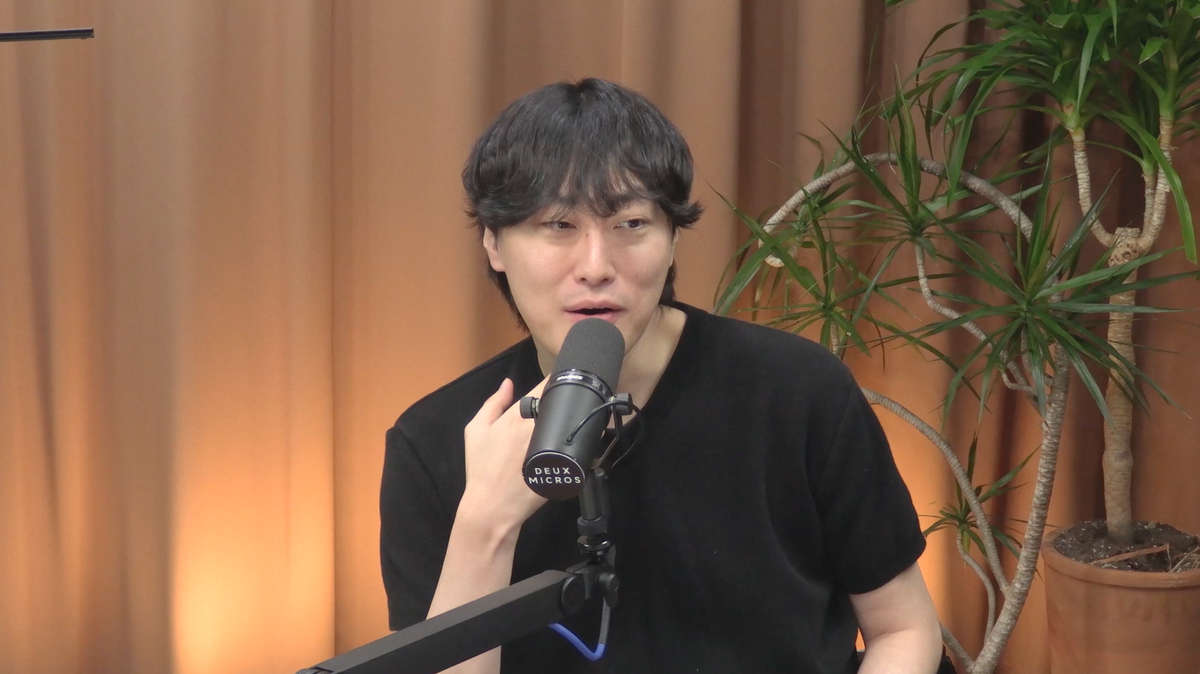
K-Pop Backstage EP.3: Inside the K-Pop Training Journey · Part 2 of 5
One-on-one vocal coaching connects the sound you can already make with the sound a particular song needs. In K-Pop Backstage, Dain describes students with strong classical or musical theater training whose delivery feels too heavy when they bring in NewJeans or LE SSERAFIM songs.
That example gives a useful answer to “What would I learn in a vocal lesson?” You may have a developed instrument and still need close work on style, phrasing, and the way a line reaches a microphone. The lesson starts with the singer and the actual song.
Why can a trained voice need a different direction?
Yujin describes students who already have teachers in their own cities. They come looking for help with the K-pop material they want to sing. Dain recognizes the situation: students can produce a large, open sound, while the song they have chosen calls for another vocal quality.
A voice that feels impressive in isolation can change the character of a phrase. Weight, vowel shape, rhythmic placement, and intensity all affect that impression. The question inside the lesson becomes precise: which of those choices is making this passage feel different from the intended style?
The NewJeans and LE SSERAFIM examples refer to material discussed in the conversation. A coach still needs to hear the particular song and section you bring. A verse, chorus, and sustained ending can ask different things of the same singer.
| Musical question | What to hear in the phrase | What the coach helps you decide |
|---|---|---|
| Does the delivery feel too heavy? | Where the vocal weight appears and how it affects the line | Which quality to adjust while keeping the melody clear |
| Do the words sit naturally in the rhythm? | How consonants and vowels arrive against the track | Where the lyric needs more precise placement |
| Does the phrase have a direction? | The relationship between emphasis, intensity, and the ending | Which word or moment should lead the expression |
| Can the choice survive another take? | Whether the same musical intention remains | What to rehearse before adding more of the song |
How does a coach make a broad instruction specific?
“Lighter” or “more confident” describes a goal. A student also needs a way to hear and attempt it. The coach can demonstrate the phrase, isolate the point where the sound changes, and listen to the singer try again.
Keep the musical question close to the passage. If the opening feels heavy, the first comparison should let you hear that opening clearly. If the issue appears at a transition, include enough of the line before it to reveal how you arrive there.
That is where individual teaching earns its place. The coach chooses a cue for this singer, hears the response, and decides whether to keep it, explain it another way, or address an earlier part of the phrase. The next instruction grows from the attempt.
What does it mean to “design” a song?
Later in the conversation, Dain describes teaching a student who already sang well, had made music, and had a distinct vocal identity. Her work with that student centered on direction: helping them shape the moments they wanted to express.
The discussion uses the word “design” for this detailed work. A song becomes a sequence of choices: how a line begins, which word carries the meaning, where the energy changes, and how the sound moves toward the next phrase.
A coach can make those choices audible through a demonstration and comparison. Studying a reference performance helps the singer notice decisions that pass quickly on a casual listen. Then the lesson considers how the singer can deliver the passage with their own voice.
Kize’s preparation for an Ailee cover shows a related learning process. Her lessons include detailed reference listening and coached attempts inside the song. The musical detail becomes something she can hear, discuss, and practice.
How do vocal exercises connect to the song?
Dain describes working on the vocal instrument and then moving into singing. That connection matters because the student needs to know how the exercise serves the performance they came to prepare.
A useful lesson can move from a short sound or exercise to the word where it is needed, then into a longer phrase. The return to the song lets both people hear whether the work is carrying over. It also exposes the next challenge: a sound that works alone may change when lyrics and timing return.
Ask what the exercise is preparing and which part of the song should sound different afterward. That answer gives your repetition a purpose and helps you recognize the change when it arrives.
What should you bring to a song-focused lesson?
Bring the song link, the section you want to prepare, and a current recording. Include the reference version that drew you to the song. Tell the coach which aspect of the performance you want to understand: the lighter verse, the groove, a phrase ending, or the overall vocal character.
By the end of the session, identify the passage and the intended sound, then hear your attempt against that target. Part 5 of this series explains how recordings and feedback carry that work into the week between lessons.
K-POP VOCAL COACH’s coaches bring experience training idols and trainees into these musical decisions. Explore one-on-one online lessons to work on a song with direction fitted to your voice.
Watch the K-Pop Backstage conversation
Watch the original conversation excerpt on Instagram →

K-Pop Backstage EP.3 · Part 1: What a Vocal Coach Hears
A first vocal assessment can reveal details that encouragement misses. Explore Dain’s coaching perspective, a student’s first lesson, and useful feedback.

Inside K-POP VOCAL COACH: Lessons Built Around Your Voice
Meet K-POP VOCAL COACH and learn how our Korean industry coaches help hobby singers, working singers, and audition applicants through one-on-one online lessons.

K-Pop Backstage EP.3 · Part 3: The People Behind Your Training Plan
Meet Ethan, Dain, and Yujin through K-Pop Backstage, and explore how a student’s goal becomes a clear plan for vocal lessons, practice, and follow-up.

K-Pop Backstage EP.3 · Part 4: The Training Behind a K-Pop Debut
KATSEYE’s journey opens a discussion about the training behind a debut: coaching, practice schedules, repeated assessment, and the work audiences rarely see.



