
K-Pop Backstage EP.3 · Part 3: The People Behind Your Training Plan
Meet Ethan, Dain, and Yujin through K-Pop Backstage, and explore how a student’s goal becomes a clear plan for vocal lessons, practice, and follow-up.

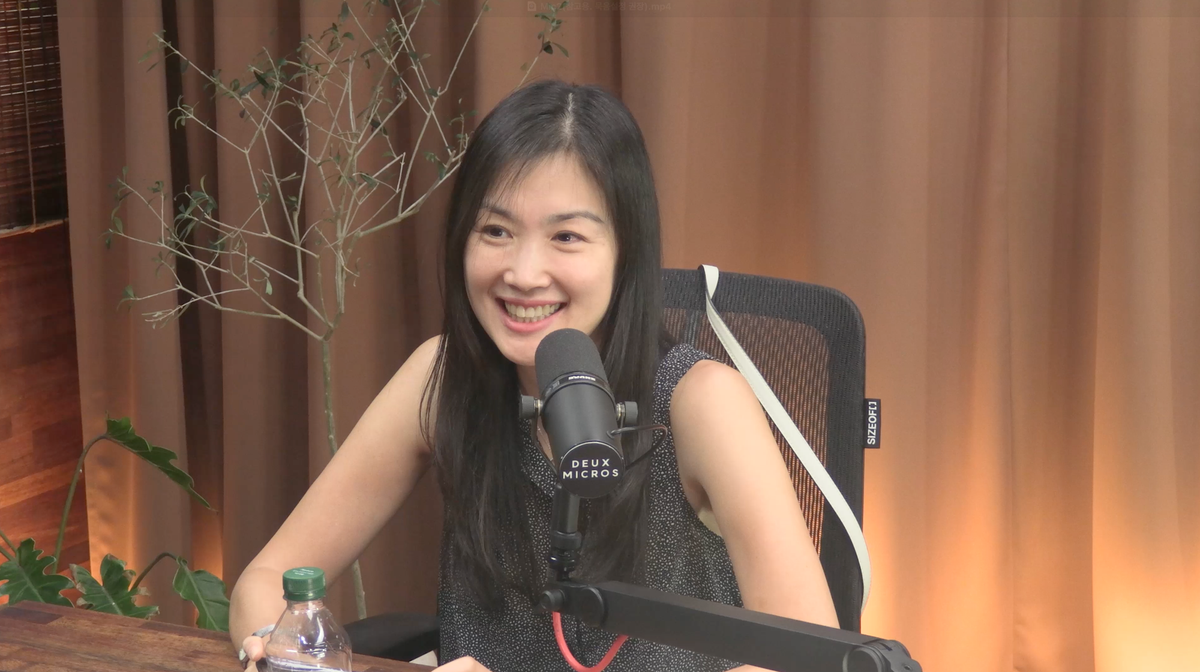
K-Pop Backstage EP.3: Inside the K-Pop Training Journey · Part 3 of 5
A vocal training plan connects your goal with the work inside the lesson and the support around it. K-Pop Backstage begins with a student who wanted access to company-style training while continuing a life outside the idol debut path.
That request gives Ethan, coach Dain, and Customer Success team member Yujin a shared question: what structure does someone need to take singing seriously? Their conversation opens up the work behind the video call, from the first discussion about a goal to the way feedback reaches the student afterward.
Who is in the K-Pop Backstage conversation?
Ethan introduces the student’s request and asks how the training process works. Dain brings the perspective of the person teaching the lesson. Yujin describes the conversations students have before and around their coaching.
| Person | Perspective in the conversation | What it helps the reader understand |
|---|---|---|
| Ethan | The questions behind the service and the student’s goals | Why a training system needs more than an available lesson slot |
| Dain | The voice, the song, and teaching decisions | How an ambition becomes a musical priority inside a lesson |
| Yujin | First conversations, student concerns, and follow-up | How the student’s needs stay connected to the wider process |
These perspectives need to connect. A student may explain a goal clearly in a first conversation and still need help translating it into the song they bring to the coach. After the lesson, the student needs to understand the work well enough to continue it.
Who looks for this kind of vocal training?
Yujin describes four recurring needs among the people she speaks with. Some already take local lessons and want help with K-pop style. Others have regular jobs and enjoy singing, but want more demanding instruction and a clear plan. Some live far from a suitable teacher. Others are frustrated by canceled classes, difficult rebooking, or feedback that stops at “practice more.”
| Starting situation | Question the plan needs to answer |
|---|---|
| Already studying, seeking K-pop direction | What does this repertoire ask of the singer’s tone and delivery? |
| Singing as a serious hobby | What musical goal will give the lessons a clear direction? |
| Limited access to a local coach | How can online lessons support a regular teaching relationship? |
| Frustrated by fragmented teaching or management | How will lessons, feedback, and the next appointment connect? |
The common thread is a need for structure. “I want to get better” has to become a goal that the student can bring into the lesson and the coach can hear developing over time.
How does a broad ambition become a training priority?
Start with what you want to do with your singing. Preparing an audition cut, finishing a cover, and developing a hobby voice each gives the work a different destination. A current recording then lets the coach hear the starting point.
Inside the lesson, Dain’s role is to choose the musical work that serves that destination. A student asking for a lighter K-pop sound may need attention to a particular phrase. Someone preparing a complete cover needs to connect the corrected passage with the rest of the song.
The plan becomes easier to follow when those decisions are explicit. You know which song is being prepared, what needs attention first, and what the next review will listen for. The support conversation can then refer to the same task rather than reopening a general question about improvement.
Can a hobby singer want demanding training?
The student’s opening request makes room for exactly that ambition. A person can want the discipline and detail of professional coaching while keeping their current job, studies, or personal goals.
Yujin’s account includes adults who have taken hobby classes and now want more focused work. The important question is what kind of musical commitment they want to make. A hobby can include regular practice, careful listening, and a project that matters deeply to the singer.
Describe the result you would like to work toward. It might be a prepared song, a recording for your own channel, or a clearer understanding of your vocal strengths. The coach can help identify the steps that fit that goal and your current level.
What keeps the plan connected after the first lesson?
In the conversation, Yujin describes the lesson recording, the coach’s feedback report, and questions that arise during the week. These give the student ways to return to the instruction and bring a specific concern back to the team.
A recording holds the moment the coach demonstrated and the student responded. A feedback note identifies what to revisit. A question attached to the exact passage gives the next conversation something concrete to resolve. Together, they help the student understand how one lesson leads into the next.
In Kize’s month of vocal lessons, a song project brings the work into focus, and marked lyric sheets make the detail of her preparation visible. Your own plan can begin with a similarly clear destination and a record of what you are developing.
How should you start the conversation?
Bring a song you care about, a simple recording, your goal, and the time you can realistically give to lessons and practice. Explain where your present routine feels unclear. That information helps connect your ambition with the teaching you need.
Meet our coaches and explore vocal analysis and one-on-one online lessons. Their industry and artist-training experience helps turn your goal into specific musical work, with a plan you can understand and follow.
Watch the K-Pop Backstage conversation
Watch the original conversation excerpt on Instagram →

K-Pop Backstage EP.3 · Part 1: What a Vocal Coach Hears
A first vocal assessment can reveal details that encouragement misses. Explore Dain’s coaching perspective, a student’s first lesson, and useful feedback.

K-Pop Backstage EP.3 · Part 4: The Training Behind a K-Pop Debut
KATSEYE’s journey opens a discussion about the training behind a debut: coaching, practice schedules, repeated assessment, and the work audiences rarely see.

K-Pop Backstage EP.3 · Part 5: What to Practice Between Vocal Lessons
Build a clear practice week from your vocal lesson: the exact song passage, a reference recording, useful feedback, and questions that keep the work moving.

Meet the Coaches at K-POP VOCAL COACH
Meet our K-pop vocal coaches, explore their artist and teaching experience, and learn how we verify credentials and match a coach to your voice.



