
K-Pop Backstage EP.3 · Part 1: What a Vocal Coach Hears
A first vocal assessment can reveal details that encouragement misses. Explore Dain’s coaching perspective, a student’s first lesson, and useful feedback.

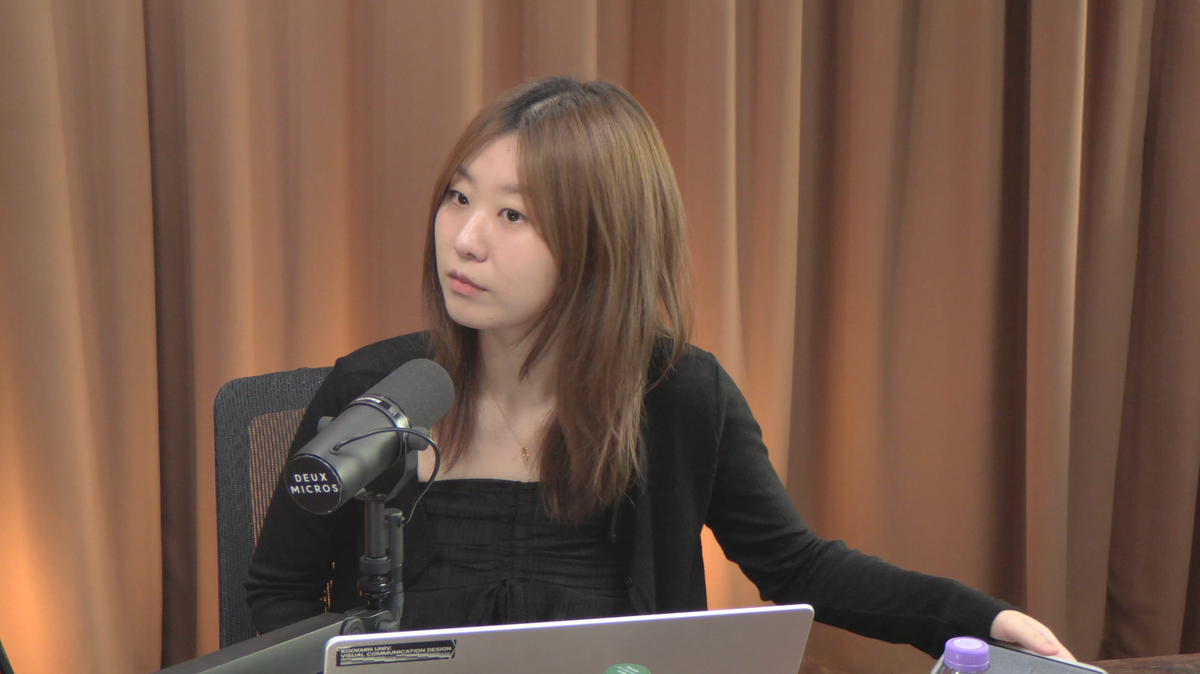
K-Pop Backstage EP.3: Inside the K-Pop Training Journey · Part 1 of 5
A vocal coach listens for the specific choices and habits shaping your singing, then identifies what to work on first. In K-Pop Backstage, a student’s surprising first lesson opens a larger question: how do you move from being told you sing well to understanding your own voice?
Yujin remembers a student arriving with confidence built through karaoke and encouragement from friends. After her first lesson with Dain, the student was close to tears. She had encountered details in her singing that the praise had never helped her recognize. That experience gives this conversation its practical focus: a useful assessment needs to turn a broad opinion into a direction for the voice.
What changed when the student received a detailed assessment?
The student’s friends had responded to a familiar performance in a social setting. Dain’s task was to listen with a teaching decision in mind. The student needed to discover which parts of the singing were dependable and which needed development.
Yujin describes the surprise of hearing that difference for the first time. The lesson challenged the student’s understanding of her own singing. The important next step is what a coach does with that moment: identify a passage, explain the priority, and give the student a chance to respond.
A singer can leave a party knowing people enjoyed the song. After an assessment, they should also be able to say what they are working on. The distinction becomes useful when the next practice session begins.
What can a coach hear inside a phrase?
A phrase contains several connected decisions. The first note has an entrance and a vowel. The lyric has rhythmic placement. The sound changes as the melody moves, and the ending needs to complete the line. A coach listens to how those details work together in this singer’s performance.
| What you notice | What a coach can investigate | What the assessment should clarify |
|---|---|---|
| The opening feels uncertain | The target pitch, timing, and way the first word begins | Which part of the entrance needs attention |
| The line sounds different near the high note | How the vowel and vocal quality change through that passage | The exact transition to work on |
| The ending loses its shape | How the lyric and sound are carried into the last word | What needs to remain connected through the finish |
| A correction works in one attempt | Whether the singer can return to it and continue the phrase | The next step toward making the change dependable |
These are listening questions you can bring to a lesson. The coach’s work is choosing which one matters first for your voice and the song. Several issues can be audible at once; a clear priority makes the next attempt easier to understand.
Why can a good lesson take and a home recording sound different?
The conversation also describes singers who receive positive feedback in a lesson and feel confused when a recorded K-pop cover sounds heavy or awkward. Dain discusses the difference between hearing a voice in a room and hearing the details captured by a microphone.
The recording makes it possible to return to the exact same moment. You can compare the beginning and ending of a line, the balance with the track, and the delivery you intended. The coach can connect what you hear on playback with the way you sang it.
Bring a recording that makes your own voice easy to hear, together with the song and reference version. Tell the coach where your impression changes. “I like this in the room, but this word sounds heavy on the recording” gives the assessment a specific place to begin.
How does feedback become something you can use?
The full conversation returns to students who keep receiving the same instruction. Yujin describes a familiar pattern: a student feels awkward asking again, says they understand, and spends the week practicing without a clear grasp of the task. By the next lesson, the same issue remains.
Use the assessment to establish both the musical target and your understanding of it. Hear the coach demonstrate, try the passage, and ask which part of your attempt moved toward the target. If you cannot yet hear the difference, say so while both versions are still available.
This gives the coach information, too. They can change the explanation, choose a shorter section, or return to the reference. The lesson becomes a conversation about an audible result.
What should you take into your first vocal assessment?
- A song you know well enough to sing through the selected passage.
- A recording with your voice clearly audible.
- The original or reference performance you are working from.
- One question about a moment you find difficult or confusing.
During the lesson, keep track of the first priority and what a better attempt should sound like. In Kize’s 30-day singing challenge, learning to hear a difference in her own sound becomes part of the work alongside producing it. That connection between hearing and doing gives coaching its direction.
At K-POP VOCAL COACH, our coaches’ idol and trainee training experience informs the details they hear and the priorities they choose. Bring your current singing to a vocal analysis or one-on-one online lesson and build a clear starting point for your next practice session.
Watch the K-Pop Backstage conversation
Watch the original conversation excerpt on Instagram →

K-Pop Backstage EP.3 · Part 3: The People Behind Your Training Plan
Meet Ethan, Dain, and Yujin through K-Pop Backstage, and explore how a student’s goal becomes a clear plan for vocal lessons, practice, and follow-up.

K-Pop Backstage EP.3 · Part 4: The Training Behind a K-Pop Debut
KATSEYE’s journey opens a discussion about the training behind a debut: coaching, practice schedules, repeated assessment, and the work audiences rarely see.

What Happens in Your First K-POP VOCAL COACH Lesson?
Your first lesson starts with listening to your voice, understanding your strengths, and choosing a useful correction to practice next.

K-Pop Backstage EP.3 · Part 5: What to Practice Between Vocal Lessons
Build a clear practice week from your vocal lesson: the exact song passage, a reference recording, useful feedback, and questions that keep the work moving.



