
K-Pop Backstage EP.3 · Part 5: What to Practice Between Vocal Lessons
Build a clear practice week from your vocal lesson: the exact song passage, a reference recording, useful feedback, and questions that keep the work moving.

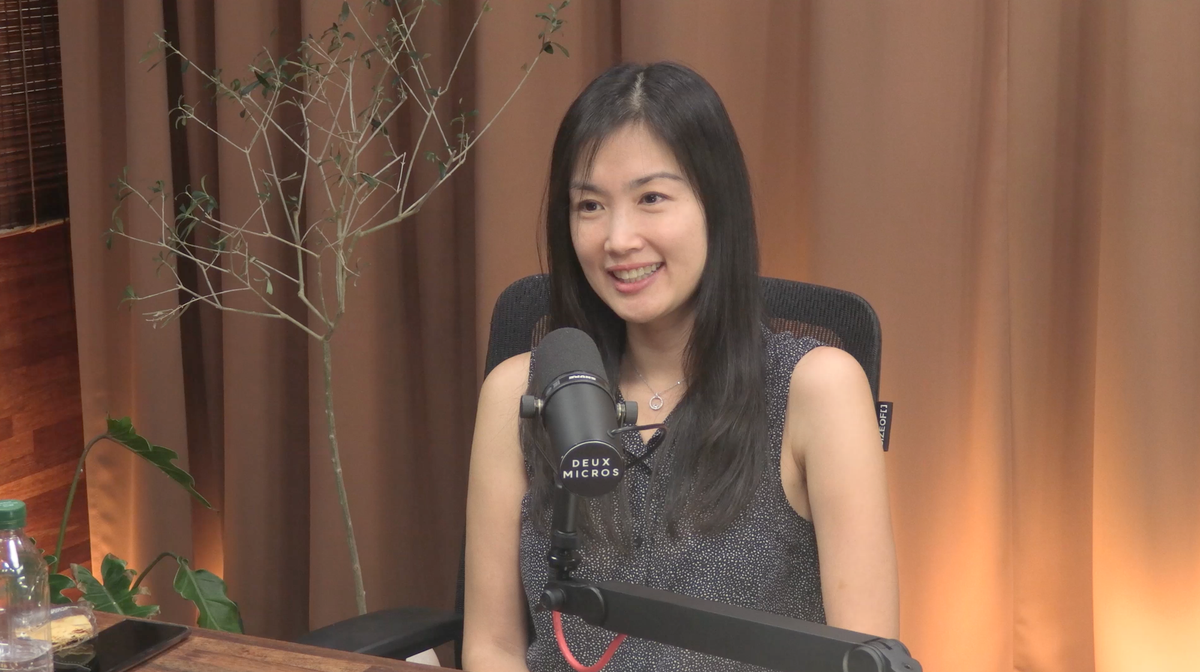
K-Pop Backstage EP.3: Inside the K-Pop Training Journey · Part 5 of 5
Between vocal lessons, practice the exact passage and musical change you worked on with your coach. Keep the demonstration and feedback available, make a new attempt, and bring back the part you still cannot apply. That is how a lesson becomes a week of directed work.
In K-Pop Backstage, Yujin explains that students need to understand what their homework is. Dain makes the point concrete by describing feedback tied to a specific place in a song. The conversation then follows what can go wrong when a student leaves with an instruction they have not fully understood.
What does “practice this” need to include?
Dain describes pointing a student to a particular moment in their song, using a passage around 1:12 as an example. The value is the location and the detail attached to it. A student can return to the same musical moment and hear what the teacher means.
“Practice the chorus” leaves several decisions open. Which line? Which word? Is the priority the entrance, the tone, or the ending? A precise assignment narrows that work so the singer knows what the next attempt is meant to change.
| Part of the assignment | What to keep from the lesson | How it helps the next attempt |
|---|---|---|
| The location | The line, word, or marked point in the song | You return to the passage the coach actually addressed |
| The target | The sound or delivery being developed | You know what difference to listen for |
| The reference | The coach’s demonstration and your response | You can hear the instruction again before practicing |
| The review question | The part that still feels unclear or changes in a longer take | The next lesson begins with something specific |
Why keep both the recording and the feedback report?
Yujin describes students receiving the lesson recording and a coach’s feedback report after class, with a way to raise questions during the week. Each part serves a different purpose.
The recording preserves the demonstration, the words around it, and the student’s attempt. The report helps identify the main work to revisit. When you return to the song, those two references can help you reconstruct the instruction accurately.
Use a note that points back to the moment in the recording. A term on its own may be hard to interpret later. The musical example lets you hear how that term was being used in your lesson.
What happens when you practice without understanding the instruction?
In the longer conversation, Yujin describes a student who has asked several times but still feels unsure. Asking again becomes embarrassing, so the student says they understand. They practice during the week, return with the same issue, and feel even less comfortable raising the question after several lessons.
The problem is visible in the repeated feedback. Time has gone into practice, but the singer has not found the intended action or sound. That gives the next teaching conversation a clear priority: return to the instruction and hear another attempt together.
If this happens to you, point to the passage and explain which part you cannot connect. You might understand the demonstration but lose the sound when the lyric returns. You might hear a difference without knowing how to reproduce it. Either observation gives the coach a useful starting point.
How should you divide the work across your week?
The speakers emphasize regular practice in a direction the student understands. They also discuss the difference between a short, focused session and accumulating time without applying the task. Build your routine around the work assigned to your current voice.
| Point in the practice process | Purpose |
|---|---|
| Return to the lesson | Hear the instruction and demonstration before relying on memory |
| Attempt the assigned passage | Concentrate on the priority agreed with the coach |
| Connect it with the surrounding line | Hear whether the change remains when the song continues |
| Keep a recording and question | Give the next review clear evidence of what happened |
This is a way to organize the assignment your coach gives you. The amount and type of singing belong in that individual plan. A useful practice record explains what you attempted and what happened, so the coach can make the next decision.
What if you understand the idea but cannot make the sound yet?
Dain and Yujin discuss this gap directly. A student may recognize what the teacher means while still struggling to reproduce it. The coach’s role includes continuing to offer direction as the singer learns to use the change.
Bring back the attempt that shows where it becomes difficult. If the sound works in the short section, include a recording of the transition where it changes. That helps the coach hear the distance between understanding the task and using it in the song.
The conversation also includes the satisfaction students feel when something finally clicks. Keeping records makes that moment easier to connect with the work that preceded it. You can return to what helped and hear what still needs development.
Arrive at the next lesson with a useful comparison
- The same passage you worked on last time.
- A current recording of your attempt.
- The feedback or demonstration you were following.
- A clear question about what remained difficult.
For another view of detailed preparation, see Kize’s marked lyric sheets and month of vocal lessons. Her notes make the work inside the song visible. Your own record can help keep the next lesson connected to what you actually practiced.
At K-POP VOCAL COACH, experienced coaches help identify the details to carry from a lesson into your song. Explore vocal analysis and online lessons with a clear question about the voice you want to develop.
Watch the K-Pop Backstage conversation
Watch the original conversation excerpt on Instagram →

K-Pop Backstage EP.3 · Part 1: What a Vocal Coach Hears
A first vocal assessment can reveal details that encouragement misses. Explore Dain’s coaching perspective, a student’s first lesson, and useful feedback.

K-Pop Backstage EP.3 · Part 3: The People Behind Your Training Plan
Meet Ethan, Dain, and Yujin through K-Pop Backstage, and explore how a student’s goal becomes a clear plan for vocal lessons, practice, and follow-up.

Do Online Vocal Lessons Work for K-Pop Training?
Live feedback, lesson recordings, and clear practice notes can make online vocal training practical. Here is what to look for in a lesson.

K-Pop Backstage EP.3 · Part 4: The Training Behind a K-Pop Debut
KATSEYE’s journey opens a discussion about the training behind a debut: coaching, practice schedules, repeated assessment, and the work audiences rarely see.



