
K-Pop Backstage EP.1 · Part 4: What Changes When a Vocal Lesson Moves Online?
Two vocal coaches describe remote lessons from their side of the call: delayed accompaniment, student-side playback, transmitted sound and what a camera adds.

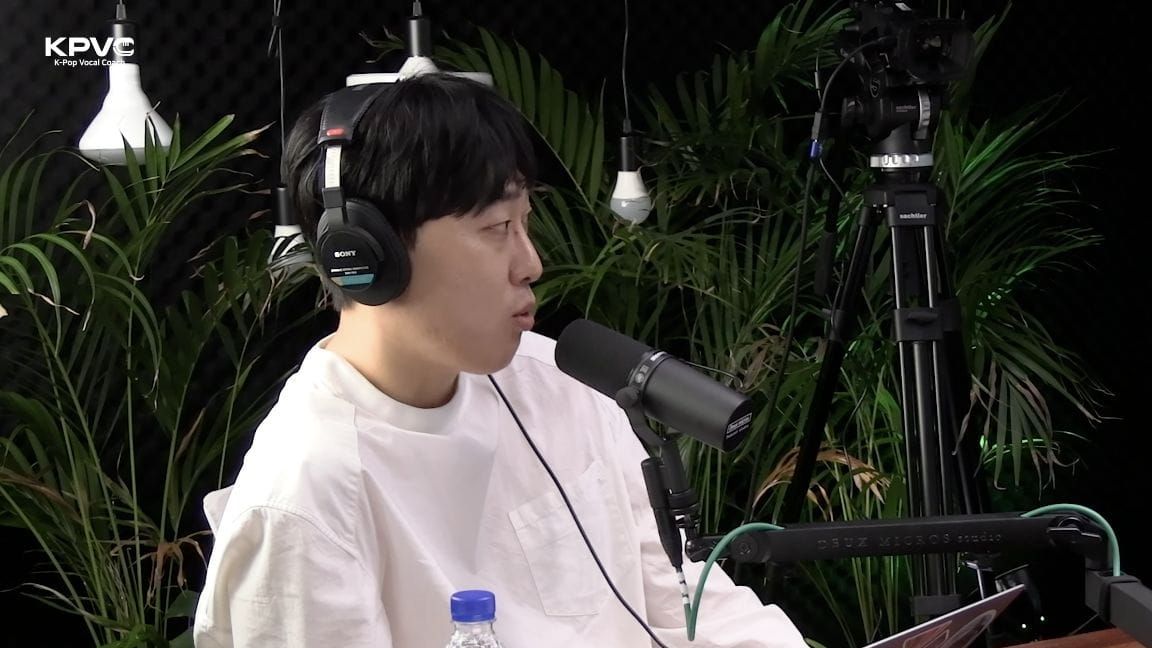
K-Pop Backstage EP.1 · Part 4 of 4
What Does a K-Pop Vocal Coach Do?
An online vocal lesson changes how the coach and singer listen, play music and take turns. The track may need to play on your side of the call, while the coach uses both sound and video to follow your singing. A useful setup supports the musical work you came to do.
In our 2024 K-Pop Backstage EP.1 conversation, Kim Seo Hyeon and Kong Naree discuss the adjustments behind their online teaching, from working with singers abroad to hearing a voice through headphones.
| Part of the lesson | What changes online | What to discuss with your coach |
|---|---|---|
| Music playback | A track played by the teacher can arrive late. Playing it at the student’s end offers another way to work. | Where should the track play during your attempt? |
| Listening | The coach hears the voice through the call and their speakers or headphones. | Can they hear your voice clearly against the track? |
| Microphone | The panel recommends an external microphone, while explaining that a lesson can also proceed without one. | What setup will support the work you are preparing? |
| Camera | The picture lets the coach observe your face as you sing. | What do they need to see during the passage? |
Why were agencies already using online lessons?
Singers could need coaching while they were away from the company’s practice rooms. When the host asks whether agency lessons happen only in person, the coaches mention trainees living abroad and artists fitting lessons around their schedules.
They explain that remote teaching was already part of their work, rather than something introduced only in response to the pandemic. The format allowed the teaching relationship to continue when the singer and coach could not share a room.
Working with students they had never met in person brought another learning experience. The coaches remember initially wondering how well it would work, then hearing those students improve through their online lessons. They were building familiarity with a new student and a different way of listening at the same time.
Where should the backing track play?
In the arrangement described here, the student plays the track and the coach listens to the performance coming from that end of the call. This addresses a problem the panel raises at 37:50: sound traveling from the teacher’s room can arrive late.
That delay makes some familiar in-person activities harder. The coach cannot always sing along or play accompaniment as though both people are standing beside the same piano. Deciding where the music plays helps organize the attempt around the connection they have.
The coaches also discuss slow internet and buffering. Those interruptions affect what reaches the teacher, so the connection is part of the practical conversation before working through a song. Ask how your coach wants to hear the track and your voice before starting the passage.
How does the coach adapt their listening?
The teacher has adjustments to make, too. At 38:27, a coach remembers wondering whether she could judge a student’s singing well through transmitted audio. Over time, listening through speakers, earphones or headphones became familiar, and she learned to distinguish what she was hearing.
For the student, the useful question is whether the coach can hear the detail being worked on. A conversation about the audio setup belongs close to the actual task: the phrase, the accompaniment and the vocal change you are trying to make.
Do you need an external microphone and a camera?
The panel strongly recommends an external microphone and also explains that a lesson can proceed without one. Before buying equipment, discuss your setup and the singing you want to prepare with the coach.
The camera serves a different purpose. The panel is less concerned with an elaborate camera setup than with being able to see the singer. When asked why video matters in a vocal lesson, the answer is practical: it lets the coach observe how the singer uses their face while making the sound.
What should the online lesson focus on?
Your goal gives the session its direction. Earlier in the episode, the panel discusses hobby singers, audition candidates and working musicians. For students preparing auditions from overseas, they mention Korean pronunciation and details around presenting a song.
Those examples help explain why getting connected is only the beginning. Once the coach can hear and see the performance, the work becomes specific to the singer: which sound, word or musical choice needs attention?
Watch the K-Pop Backstage conversation
Watch What does a K-Pop Vocal Coach do? | K-Pop Backstage Podcast EP 1, or jump to the discussion you want to hear:
- 27:36 — Different singers and overseas audition needs
- 35:35 — Remote lessons within agency work
- 37:50 — Timing, playback and the connection
- 38:27 — Adapting the coach’s listening
- 39:01 — Microphone and camera considerations
Bring your song and a current recording to K-POP VOCAL COACH. A vocal analysis can help you understand what is working and where to focus next. In one-on-one online lessons, you can work through those details with a coach and prepare a song that suits your voice.

K-Pop Backstage EP.2 · Part 3: Why Strong Singers Don’t Always Pass Auditions
A strong voice can still miss a casting brief. Two vocal coaches discuss song choice, company plans, and the distance between an audition and debut.

K-Pop Backstage EP.2 · Part 2: When a Vocal Instruction Makes Sense but the Sound Hasn’t Changed
A coach may explain the same musical problem through a demonstration, a detailed sequence, or a familiar analogy. Episode 2 explores what changes when an explanation does not yet become a sound.

K-Pop Backstage EP.2 · Part 1: What Monthly Evaluations Actually Test
Monthly evaluations can involve new listeners, recorded performances, individual song choices, and observations made long before evaluation day. Two vocal coaches explain the differences.



