
K-Pop Backstage EP.1 · Part 1: How Agencies Choose a Vocal Coach
A referral can introduce a vocal coach to an agency. A demonstration lesson, working relationships and the ability to help a singer improve determine much more.

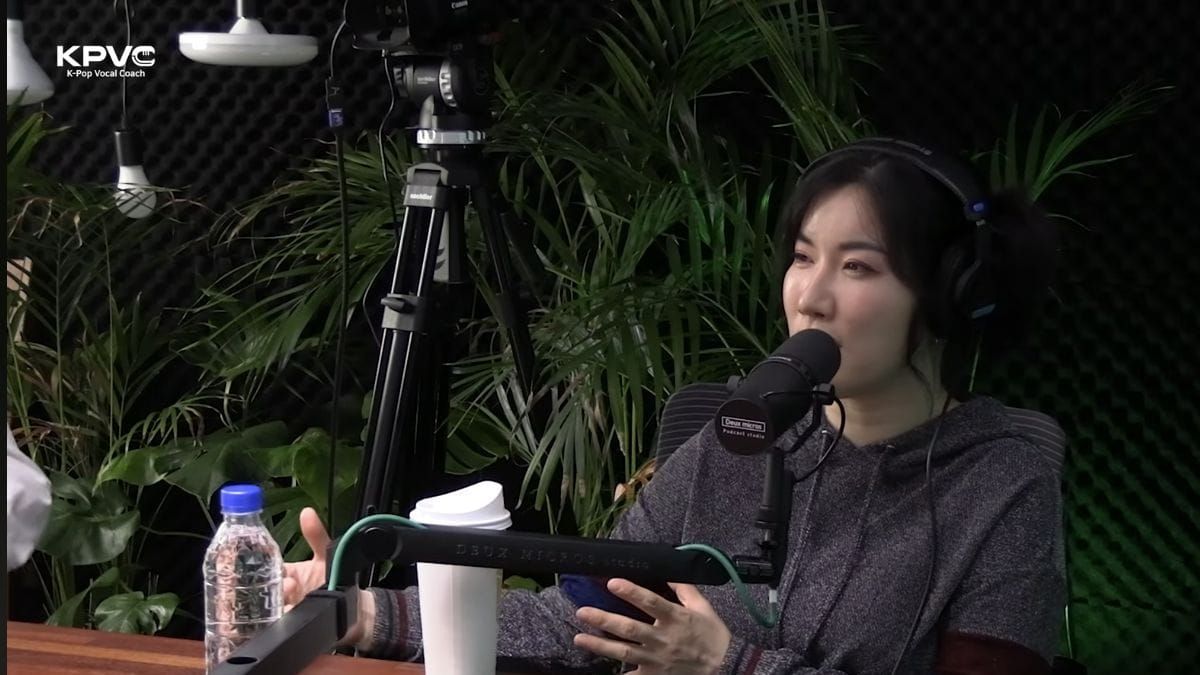
K-Pop Backstage EP.1 · Part 1 of 4
What Does a K-Pop Vocal Coach Do?
K-pop agencies need a vocal coach who can help a singer improve, work well with the artist-development team, and respond to the person in the room. A recommendation can open the door. Interviews and demonstration lessons show how the teacher actually works.
In K-Pop Backstage’s 2024 conversation, K-POP VOCAL COACH’s Kim Seo Hyeon and Kong Naree explain the hiring process through their own agency experience.
| Stage described in the conversation | What becomes visible |
|---|---|
| Professional introduction | Someone has experience of the coach’s work and can recommend a conversation. |
| Interview and background discussion | The company can examine experience and approach more closely. |
| Demonstration lesson | The singer’s response, the coach’s communication and the result of the teaching. |
| Continuing collaboration | Whether the working relationship fits the company’s needs over time. |
A recommendation opens a conversation
At 05:26, the panel turns to how coaches begin working with agencies. The speakers describe referrals from other teachers and people in artist development. Teaching happens largely behind closed doors, so a colleague’s experience of someone’s work can help a company decide whom to meet.
One account follows a professional relationship across companies: a coach works with an artist-development team, the team’s circumstances change, and a familiar colleague later invites that coach into another project. What carries over is more than a name in an address book. The coach and the staff already know something about how they communicate.
The demonstration lesson matters
At 15:23, the coaches explicitly correct the idea that a referral automatically leads to a job. They describe interviews and, when required, a demonstration lesson with a trainee or artist. Staff may observe or review a recording before discussing the appointment.
That puts the focus on a practical question: what can this teacher help this singer do? The panel mentions the student’s response, the interaction in the room and whether the coach can draw out a change during the lesson. Knowing a great deal about singing and making that knowledge usable for another person are related skills, but they have to meet in the actual teaching.
Teaching is also a team responsibility
Earlier in the episode, the coaches emphasize communication with artist-development staff. A lesson exists inside a larger project. A company may be developing a particular vocal direction, preparing recordings or considering a debut lineup. A coach needs to understand that context while working with the voice in front of them.
The panel’s discussion of checking instructors’ experience offers a related caution for anyone choosing a teacher. A familiar artist’s name on a profile gives limited information about the length or substance of the teaching relationship. The useful question is what work the teacher actually did, rather than how impressive the name looks.
What should you listen for when choosing your own coach?
A useful first lesson should leave you with a clearer description of your singing and a task you understand. Bring a familiar passage and explain what you want to change. Listen for whether the teacher connects their feedback to an exact moment: the first word, a change of register, or the end of a phrase.
For example, if you lose the shape of a line near its highest note, ask the teacher to help you hear where the change begins. Try the passage after their explanation, then compare the attempts together. The important information is which cue helped you and what you should repeat at home. This gives you a way to assess the teaching through your own response.
Before the session ends, ask three practical questions: Which passage should I work on? What difference should I listen for? What should I bring back if the change is difficult to repeat? A coach who can connect those answers to your voice gives you a useful starting point for ongoing lessons.
Watch the conversation
Watch the coaches explain how introductions become teaching opportunities in the original episode.
- 05:26 — Referrals and professional relationships
- 15:23 — Interviews and demonstration lessons
- 11:48 — Looking beyond a résumé
The same attention to teaching matters when you choose lessons for yourself. At K-POP VOCAL COACH, our coaches’ experience with idols and trainees informs the priorities they hear in your singing. A vocal analysis can help you understand your starting point, and one-on-one online lessons give you space to work on a song that suits your voice.

K-Pop Backstage EP.2 · Part 3: Why Strong Singers Don’t Always Pass Auditions
A strong voice can still miss a casting brief. Two vocal coaches discuss song choice, company plans, and the distance between an audition and debut.

K-Pop Backstage EP.2 · Part 2: When a Vocal Instruction Makes Sense but the Sound Hasn’t Changed
A coach may explain the same musical problem through a demonstration, a detailed sequence, or a familiar analogy. Episode 2 explores what changes when an explanation does not yet become a sound.

K-Pop Backstage EP.2 · Part 1: What Monthly Evaluations Actually Test
Monthly evaluations can involve new listeners, recorded performances, individual song choices, and observations made long before evaluation day. Two vocal coaches explain the differences.

K-Pop Backstage EP.1 · Part 4: What Changes When a Vocal Lesson Moves Online?
Two vocal coaches describe remote lessons from their side of the call: delayed accompaniment, student-side playback, transmitted sound and what a camera adds.



