
How to Choose a K-pop Vocal Coach for Your Child
Choose a vocal coach for the detail and direction they can give your child, then find a lesson format your family can sustain. A nearby teacher can be a good fit; distance alone does not tell you whether the coaching matches a K-pop goal.

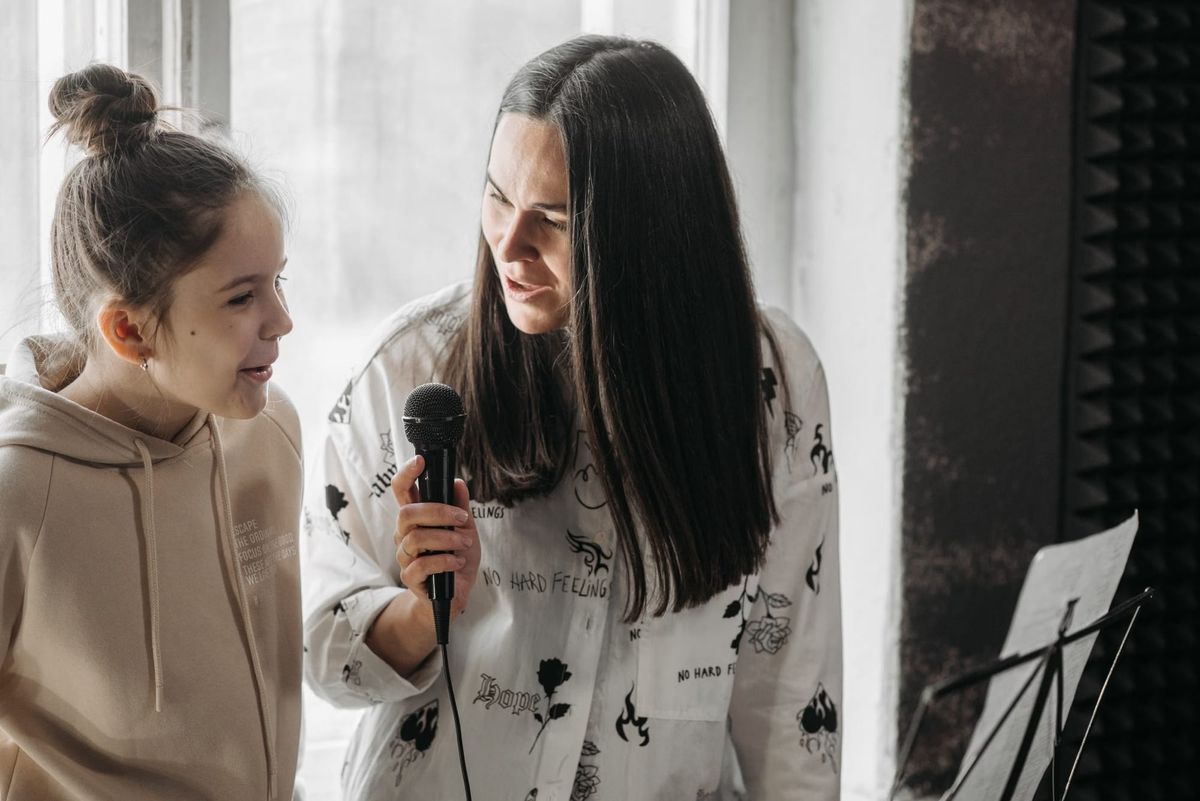
Choose a vocal coach for the detail and direction they can give your child, then find a lesson format your family can sustain. A nearby teacher can be a good fit; distance alone does not tell you whether the coaching matches a K-pop goal.
| Focus | What to check |
|---|---|
| Dance schedule | Can your child get to class consistently after school? |
| Vocal coaching | Does the teacher understand the sound and material your child wants to develop? |
| Feedback | Can the coach identify a specific phrase and explain what to work on? |
| Lesson format | Can your family sustain the schedule, travel, and between-lesson practice? |
Make the weekly routine realistic
Homework, dinner, and a long drive can turn a good training plan into a difficult week. For dance classes, a convenient location can help your child keep showing up. Consider the teaching as well as the commute: a manageable routine is useful only when the class serves the student’s goals.
The same scheduling question matters for singing. Online one-on-one lessons can make a specialist accessible without another trip across town. The right choice is a combination of teaching fit and a routine your family can keep.
Listen for specific feedback
A useful vocal lesson goes beyond “good job” or “sing with more confidence.” Can the coach point to the moment a phrase changes? Perhaps the tone becomes thinner near the end, or the next line begins before your child has planned a breath. That small section gives the lesson a clear place to start.
Ask what the student should listen for when trying the phrase again. A specific instruction, followed by another attempt and feedback, is easier to use at home than a broad opinion about the entire song.
Match the teaching to the musical goal
A teacher’s background can shape the material and stylistic choices they work on. Musical theater, Western pop, and K-pop are not interchangeable goals, but training in one does not automatically make a teacher unsuitable for another.
Ask about experience with the music your child wants to sing. Bring a song or recording that represents the goal. The conversation should connect that goal to the child’s current voice, rather than asking them to copy an artist’s sound at every moment.
Frequently asked questions
Should we stop local lessons to try online coaching?
Not automatically. First identify what your child needs that the current lessons are not addressing. Ask both teachers how their work would fit that goal before changing the schedule.
What should we ask after an introductory lesson?
Ask which short section needs attention, what to practice next, and how the coach will check progress. Your child should leave with a clear task they understand.
Get feedback on your next step
Our coaching team’s experience includes work at HYBE, JYP, YG, STARSHIP, CUBE, and A20, including work with K-pop idols and trainees. A vocal analysis can help your family identify the next useful priority, from song choice to a phrase that needs closer attention. Explore vocal analysis and one-on-one online lessons at K-POP VOCAL COACH.

Lily Tries K-Pop Vocal Coaching—for Hobby Singers, Too
Watch Lily share her experience with K-POP VOCAL COACH and explore how individual feedback can give an online vocal lesson a clear direction.

Choose Your K-Pop Audition Song: Tone, Style, Then Control
Compare songs in three steps: hear your tone first, explore the company’s musical direction, then test what you can deliver consistently.
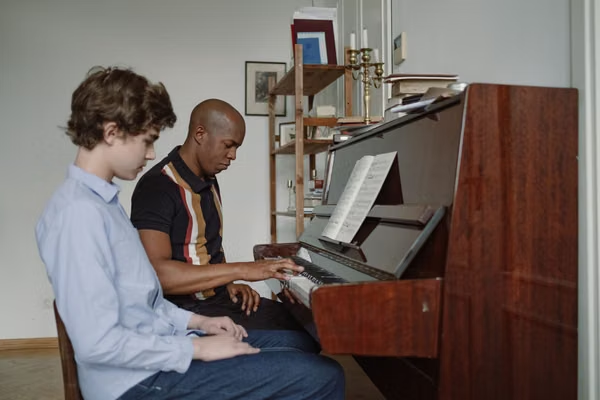
How to Choose a K-Pop Vocal Coach: Four Things to Check
Look beyond an impressive profile. Check a coach’s training, teaching reliability, musical work, and ability to give useful feedback on your voice.
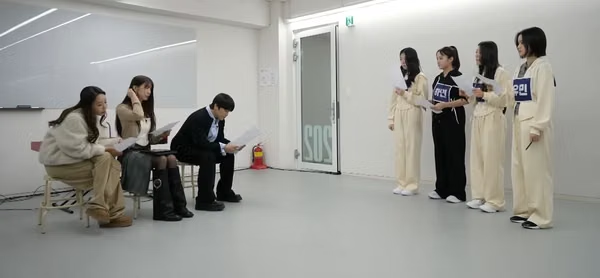
Baek SoHee’s Vocal Coaching, Part 1: Find Your Natural Voice
Find a vocal color that fits your voice. Baek SoHee’s coaching shows how a precise correction can change the way a singer approaches a phrase.



