
Baek SoHee’s Vocal Coaching, Part 1: Find Your Natural Voice
Find a vocal color that fits your voice. Baek SoHee’s coaching shows how a precise correction can change the way a singer approaches a phrase.

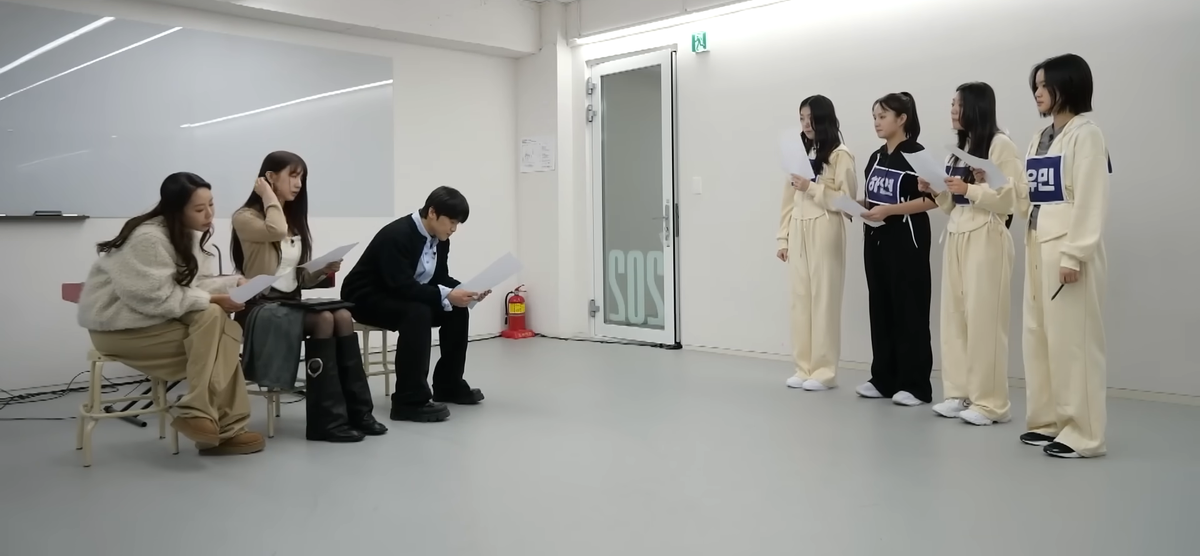
Baek SoHee’s Vocal Coaching · Part 1 of 3
Finding your natural singing voice starts with a sound you can produce comfortably and shape deliberately. In this lesson from JTBC’s Fly Little Chick, Baek SoHee hears a difference between a student’s familiar speaking tone and the voice she uses to sing. Her direction gives the student a more useful starting point for the next phrase.
This is Part 1 of our three-part series on SoHee’s live coaching. We begin with vocal color, then look at starting on pitch and developing a performance beyond accurate notes.
What does SoHee notice in the student’s voice?
The student sings with a quality that draws the coach’s attention. SoHee listens, asks about the voice the student normally uses, and points her toward singing with that familiar sound. The correction is specific to the singer in front of her.
Watch the order of the exchange: an attempt, a question, a demonstration or direction, and another attempt. The student has a clear change to explore. That makes the next phrase useful evidence for the coach’s next decision.
How can your speaking voice help you find your vocal color?
Your speaking voice offers a reference for qualities you already recognize: a warmer or brighter sound, the way a vowel forms, and the feeling of expressing a sentence naturally. A coach can compare those familiar qualities with the sound you produce in a song.
Singing develops that starting point across melody, range, and style. The task is to find a vocal quality you can use intentionally through the phrase. A lower speaking tone can be a clue in a lesson; the song still needs its own pitch, rhythm, and expressive choices.
Vocal color matters because it helps a listener recognize the singer and feel the performance. Music theorist Kate Heidemann’s research on vocal timbre in popular song explores how these qualities contribute to an artist’s style and the listener’s experience. In a lesson, that broad idea becomes a practical question: which version of this phrase sounds convincing in your voice?
Why can copying a favorite singer make a phrase harder?
A familiar recording gives you the melody, timing, and interpretation together. You may begin to copy its vocal weight or vowel shape along with the notes. That can make it difficult to hear which choices suit your own voice.
Separate the tasks. Learn the melody and lyrics clearly, then work with your coach on the vocal quality you bring to them. Keep the phrase and key consistent while comparing attempts so a change in tone is easier to hear.
What should you listen for in your next recording?
- The entrance: does the first word arrive with a settled sound?
- The vowels: does the vocal color remain recognizable as the words change?
- The phrase ending: can you complete the line with the quality you began with?
- The next attempt: can you find that sound again after a short pause?
Choose one of those questions with your coach. Record the same short section before and after the instruction, then listen for the specific change. A repeatable sound gives you something solid to develop in the rest of the song.
Develop your own sound with experienced direction
Baek SoHee previously worked at BIGHIT MUSIC and SOURCE MUSIC and has coached Hanni of NewJeans and YoungSeo of ALLDAY PROJECT. At K-POP VOCAL COACH, you can bring your own song to that depth of artist-training experience and work on the details that let your voice come through.
Watch the coaching clip
Watch Baek SoHee’s original lesson clip on Instagram →
Broadcast footage: JTBC, Fly Little Chick. Clip shared by K-POP VOCAL COACH.

Baek SoHee’s Vocal Coaching, Part 3: Beyond Pitch and Rhythm
Accurate notes are the foundation. Explore vocal color, phrasing, and expression through Baek SoHee’s feedback on a developing performance.

Baek SoHee’s Vocal Coaching, Part 2: Start on Pitch
Learn what to check when the first note of a song feels unstable, through Baek SoHee’s live feedback and a focused approach to pitch practice.

Serin Meets Baek SoHee: Inside Her K-Pop Vocal Lesson
Serin shares a welcoming vocal lesson with Baek SoHee. See how clear direction and room to ask questions help a singer approach the next phrase.

Nari Kong’s Online Vocal Lesson: One Phrase, Clear Feedback
Watch Nari Kong guide a student through a short phrase online, with a demonstration and a focused correction to try in the next attempt.



