
How to Choose a K-Pop Vocal Coach: Four Things to Check
Look beyond an impressive profile. Check a coach’s training, teaching reliability, musical work, and ability to give useful feedback on your voice.

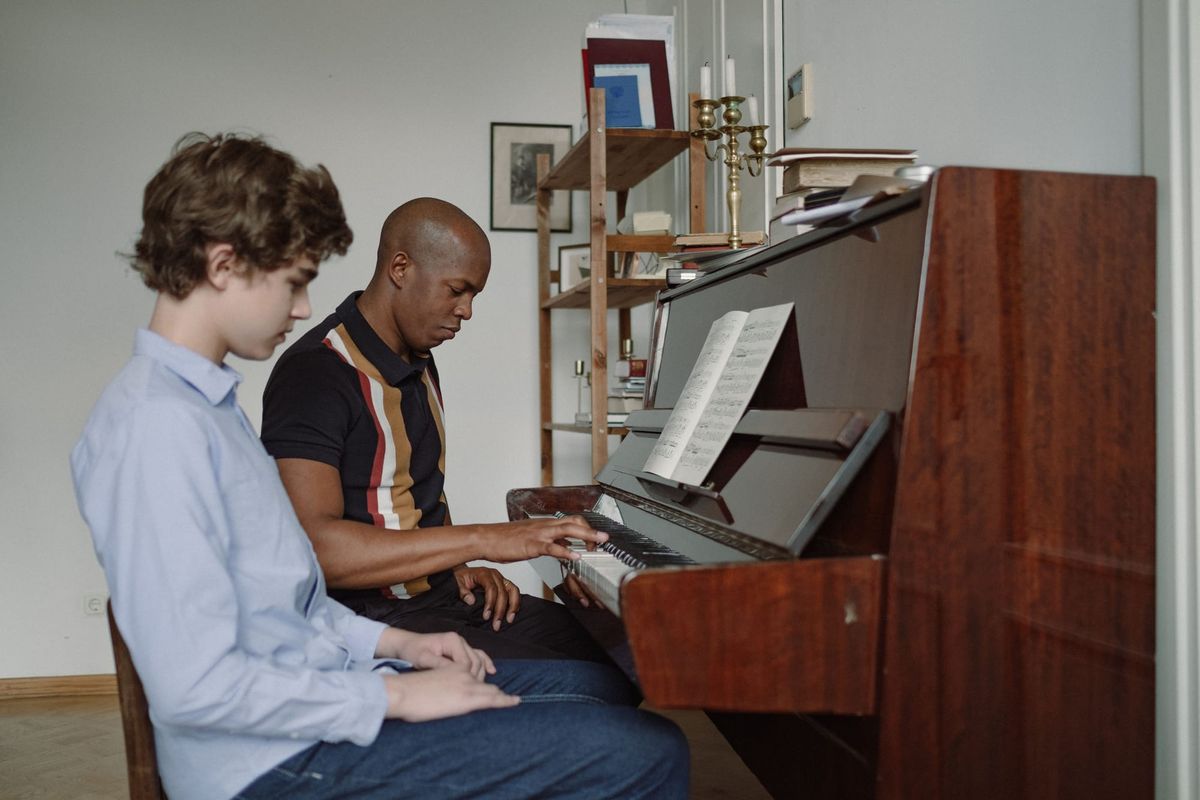
Choose a vocal coach whose training and teaching experience connect to your goals. Look at their work with artists and trainees, the skills they teach, and how they turn that background into specific feedback for your voice.
Before committing to lessons, check these four areas.
| Area | What to ask | What you want to understand |
|---|---|---|
| Training | What did you study, and what do you teach? | How the coach’s background connects to your goals |
| Reliability | How do scheduling and rescheduling work? | Whether you can build a consistent lesson routine |
| Musical experience | Which performance, recording, or teaching credits are relevant? | What work the coach has actually done |
| Teaching quality | What would you help me improve first? | Whether the feedback is specific and understandable |
1. Confirm formal vocal study
Ask whether the coach majored in vocal performance and what that study involved. Formal vocal education is part of K-POP VOCAL COACH’s coach-selection standard. Before you pay for instruction, understand the foundation behind the teaching you will receive.
Then connect that education with active musical and teaching work. Ask which styles the coach teaches, how they demonstrate a correction, and how their artist or trainee experience informs your song selection and practice plan. The qualification and the teaching should support each other.
2. Find out how the lesson schedule works
Consistency matters when you are building a practice routine. Ask about booking, cancellations, rescheduling, and what happens if either of you cannot attend.
A single schedule change does not explain someone’s attitude toward students. Repeated changes without clear communication are a practical concern, though. If you cannot rely on the schedule, it becomes harder to plan practice and review progress.
Choose an arrangement you understand before paying for a longer commitment. Clear expectations make it easier to focus on singing once lessons begin.
3. Look for relevant musical work
Recording credits, performances, and teaching work can help you understand a coach’s strengths. Ask what their role was. Singing on a track, directing a recording, and coaching an artist are different contributions.
For audition preparation, look for experience that connects to song selection, pitch, rhythm, expression, and performing under evaluation. Ask how the coach’s work with artists and trainees shapes the way they prepare your song and respond to your performance.
4. Look beyond celebrity photos to the teaching
A feed full of photos with idols, celebrity appearances, and television clips can show access without explaining any teaching. Find the work behind the image: what did the coach teach, over what period, and how does that experience help a student’s voice? Look for a demonstration, a clear explanation, and feedback on actual singing.
In a lesson or assessment, listen for specific feedback. Can the coach identify a passage, explain what is happening, and give you a manageable way to work on it? Do you understand what you should listen for when you try again?
Choosing-a-coach FAQ
Does an impressive singer automatically make an effective teacher?
Performance experience is helpful context. Teaching also requires listening, explanation, and adapting the work to another person’s voice. Evaluate both.
What should I ask if I’m preparing for auditions?
Ask how the coach would assess your current song, what they would prioritize, and how lessons would connect to practice between sessions.

How to Read a K-Pop Vocal Coach’s Profile
Look beyond company names in a vocal coach’s profile. Check the role, relevant experience, and how that background connects to your training.

Do Online Vocal Lessons Work for K-Pop Training?
Live feedback, lesson recordings, and clear practice notes can make online vocal training practical. Here is what to look for in a lesson.

Meet the Coaches at K-POP VOCAL COACH
Meet our K-pop vocal coaches, explore their artist and teaching experience, and learn how we verify credentials and match a coach to your voice.

Choosing a Vocal Coach for Your K-Pop Goals
Choose a vocal coach whose experience connects to your K-pop goals, with clear work on tone, rhythm, expression, and song preparation.



