
Choosing a Vocal Coach for Your K-Pop Goals
Choose a vocal coach whose experience connects to your K-pop goals, with clear work on tone, rhythm, expression, and song preparation.

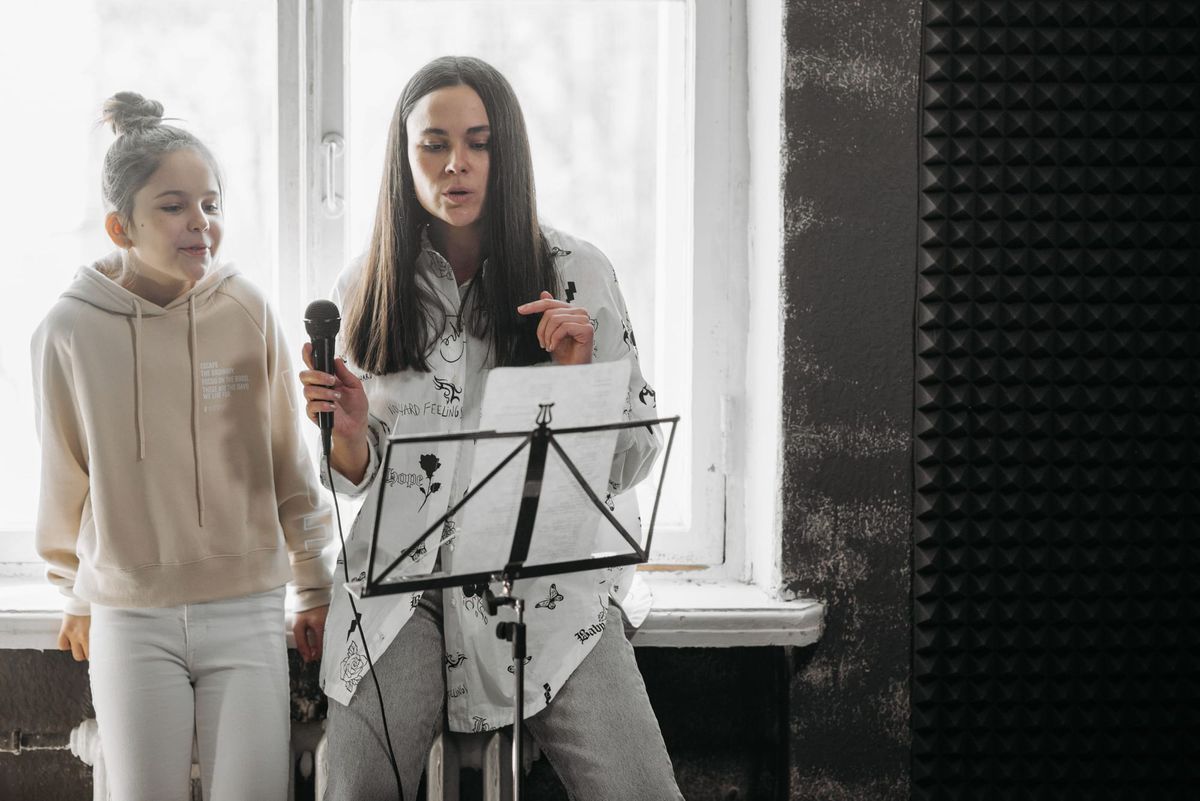
Choose a vocal coach who can connect your goal to specific work on your voice. For K-pop singing, ask how the teacher assesses your current performance, selects suitable material, and helps you apply feedback between lessons. Relevant industry experience matters most when it becomes guidance you can understand and use.
Before comparing teachers, name the result you want. Preparing a first audition, finishing a favorite cover, and becoming more comfortable singing for friends require different lesson priorities. You do not need a professional ambition to deserve detailed coaching.
What kind of coaching fits your goal?
| Your goal | What to discuss with the coach | A useful sign in the lesson |
|---|---|---|
| Enjoy singing K-pop | Songs you love and phrases that feel difficult | A manageable song section and a clear practice task |
| Prepare a cover | Key, phrasing, pronunciation, and your recording plan | Feedback that carries from an exercise into the actual song |
| Prepare an audition | Your target notice, category, deadline, and present level | An honest assessment and material you can perform reliably |
| Refine an experienced voice | The exact passage or performance demand you want to improve | Specific alternatives you can compare in your own singing |
How should a coach assess your singing?
Bring a short passage you know well. That lets the teacher hear your singing without unfamiliar lyrics becoming the main obstacle. Explain which part feels difficult and whether the same problem appears in other songs.
Useful feedback names a priority. For example, a coach might hear an uncertain starting pitch, words arriving ahead of the beat, or a phrase ending that becomes unclear. These are examples of possible observations, not a diagnosis of every singer who struggles with a song.
The next step should be understandable: what will you try, what should you listen for, and how will you return to the original phrase? If you cannot explain the instruction afterward, ask the coach to demonstrate it again or describe it differently.
What should an exercise change in the song?
An exercise earns its place by addressing something in your performance. Ask to return to the song after practicing it. Can you apply the same idea with the lyrics and accompaniment? Does the improvement remain when you restore the phrase before and after it?
Suppose your entrance is inconsistent. A useful task could be to listen to the starting note, rehearse the entrance at a comfortable volume, and record the complete opening phrase. The coach can then compare the attempts and decide what needs attention next. Repeating the whole song without a specific listening goal makes that comparison harder.
Keep the practice task small enough to remember. Use our practice-recording guide to compare the same material after feedback.
How do you check a coach’s background?
Ask about the teaching role behind the credit: what kind of singers the coach worked with, what they taught, and whether the role is current or previous. A recognizable company name is useful context; it does not explain the structure of your own lesson.
Then connect that experience to your goal. For audition preparation, discuss how the teacher evaluates readiness and selects material. For hobby singing, ask how lessons will stay connected to music you enjoy. Our coach-profile guide explains which details to look for.
What should you know after the first lesson?
- One strength the coach heard in your singing.
- The main issue you are working on next.
- The exact passage or exercise to practice.
- What to bring back so progress can be reviewed.
You do not need an instant transformation. Look for a clearer understanding of your voice and a task you can carry into the next session. If the instruction repeatedly leaves you confused, discuss that directly; communication is part of a workable teaching relationship.
Frequently asked questions
Does the coach need to live in Korea?
Location alone cannot tell you how someone teaches. Review their relevant experience, listen to the specificity of their feedback, and confirm that the lesson format works for you.
Do hobby singers need detailed feedback?
Yes. More dependable rhythm, clearer phrasing, or a comfortable key can make a favorite song more satisfying. The goal can remain personal enjoyment.
How can I compare progress?
Record the same short section in a similar setup and review the change you practiced. Compare your present take with your own earlier attempt. Kize’s 30-day challenge offers one student’s example of working toward a specific song; it is not a timetable every singer must match.
Explore our coaches’ individual backgrounds, then bring your voice, song, and questions to a consultation. K-POP VOCAL COACH’s vocal analysis and one-on-one online lessons connect that experience to a practical plan for your own singing. Explore lessons.

Before You Buy Vocal Lessons, Understand What Your Voice Needs
Start with clear feedback on your voice before choosing a lesson package. Here is what to ask about your goals, teacher, and practice plan.

How to Match Your Vocal Strengths to a K-Pop Audition Style
Use your tone, expression, and musical strengths to explore K-pop audition styles instead of choosing only by your favorite group.

YG Audition Songs: BLACKPINK References, Rhythm, and Presence
Explore BLACKPINK song references for YG audition preparation, with practical checks for rhythm, expression, diction, and a suitable vocal range.

HYBE, JYP, YG & SM Audition Songs: A Company-by-Company Guide
Choosing a song for HYBE, JYP, YG, or SM? Compare coaching suggestions for tone, rhythm, and control, then check the company’s official audition rules.



