
How to Record an Honest K-pop Audition Practice Clip
Record a clip that lets listeners hear what you can actually sing. Clear video and audible vocals help; heavy pitch correction, layered takes, and strong effects can make it harder to connect the recording with your live performance.

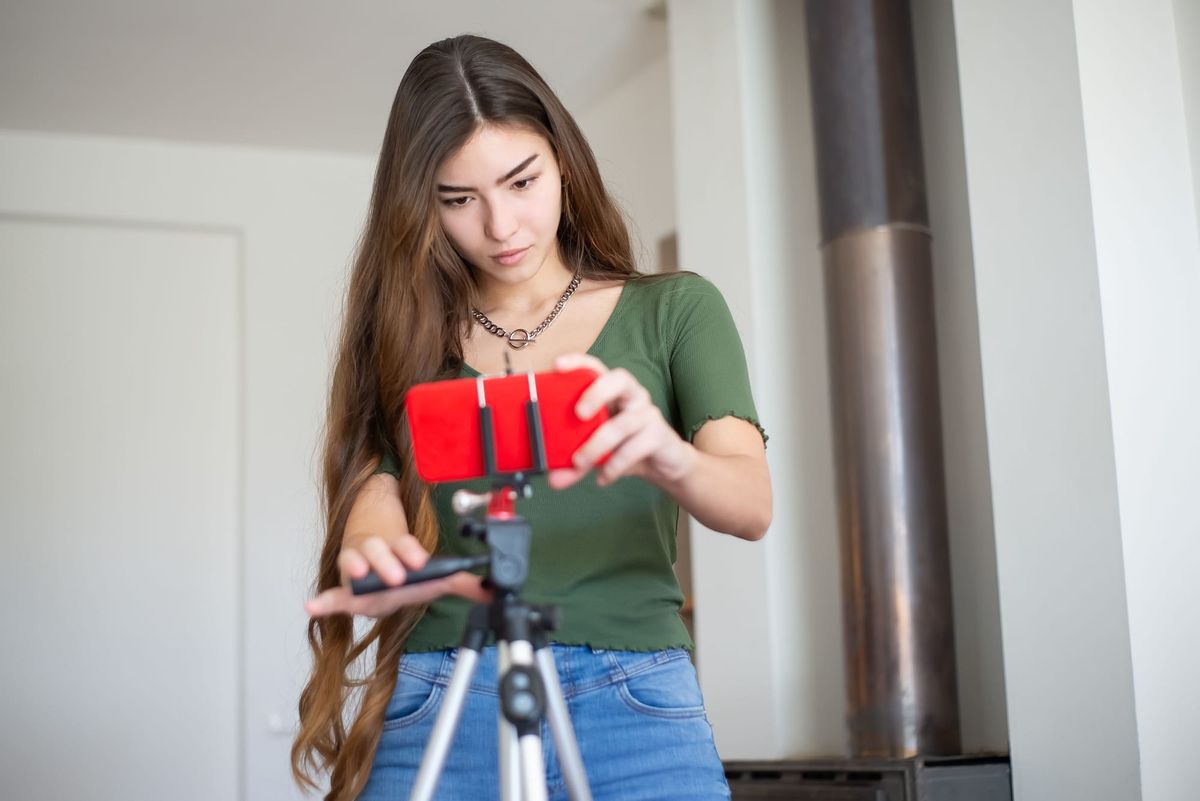
Record a clip that lets listeners hear what you can actually sing. Clear video and audible vocals help; heavy pitch correction, layered takes, and strong effects can make it harder to connect the recording with your live performance.
| Focus | What to check |
|---|---|
| Visual presentation | Keep your face and movement easy to see, without filters that change your features. |
| Pitch correction | Check your uncorrected take before judging vocal accuracy. |
| Layered takes | Do not present a composite as one continuous live performance. |
| Effects | Keep the vocal clear enough to hear individual phrases. |
Decide what the clip is meant to show
A produced cover and a live practice clip have different purposes. Production can be part of making a finished music video. A practice clip should help someone understand your current performance, including the sound you can repeat without those production choices.
For an audition submission, follow the application’s recording and editing instructions. For a public practice post, make its purpose clear. Avoid describing an edited composite as a single live take.
Listen to the unprocessed version
Heavy tuning can change the impression of pitch accuracy. Layering several takes can make the sound fuller than one live voice, and strong reverb can make individual phrase endings harder to hear. Before deciding the clip represents your singing, listen to a version without those effects.
Can you hear the melody clearly? Does the timing hold together? Are the words and phrase endings easy to follow? Those questions give you a more useful review than comparing your unedited practice with a finished commercial release.
You do not need to make the recording look careless. A clear image and sensible audio balance help people focus on the performance. Aim for presentation that makes your work easier to assess.
Choose a take you can stand behind
Record a complete passage you can sing again, rather than depending on a collection of isolated best moments. If one section repeatedly needs editing to work, return to that phrase in practice or choose material that shows your current strengths more clearly.
Posting can make your work available beyond the practice room, but a message or view count does not tell you how ready the vocal is. Use the clip as a performance sample and a way to review your progress. Your next step should come from what you can hear, not just the response online.
Frequently asked questions
Does an honest practice clip have to be perfect?
No. It should represent the performance clearly. Choose a take that communicates your strengths without using editing to disguise what you want someone to evaluate.
Can I post produced covers too?
Yes. Present them as produced work. Keep a separate, clearly labeled live or unprocessed sample when you want to show how you sing in one take.
What should I send a coach for feedback?
An audible, unprocessed sample of the section you want to discuss is useful. Include your question, such as whether the key or a particular phrase suits your voice.
Get feedback on your next step
Our coaching team’s experience includes work at HYBE, JYP, YG, STARSHIP, CUBE, and A20. Our coaches work with K-pop idols and trainees and can help evaluate the voice behind a recording. A one-on-one vocal analysis can guide song selection and identify what to practice before your next clip. Explore vocal analysis and one-on-one online lessons at K-POP VOCAL COACH.

PLEDIS Asked for Another Video? Inside Our Three-Coach Prep
PLEDIS asked for another audition video. Here is how to review the request, choose a song section, refine your performance, and check the final submission.

HYBE × GEFFEN Audition Prep, Part 1: Make Your Video Count
Prepare your first 15 seconds, eye contact, expression, and complete audition cut. Learn how a HYBE coach reviews the details before final filming.

JYP Audition Songs: Show Pitch, Rhythm, and Preparation
Choose a JYP audition song that shows reliable pitch and rhythm. Explore old-school pop references, rehearsal checks, and confident presentation.

How to Record a Clear K-Pop Audition Video
Prepare a clear audition recording with natural lighting, visible movement, clean sound, and a song section that shows your strengths.



