
Online Vocal Lessons vs. YouTube: Rae’s Story from Singapore
Rae shares how private online vocal lessons compared with YouTube and K-pop training camps, and how she noticed progress over time.

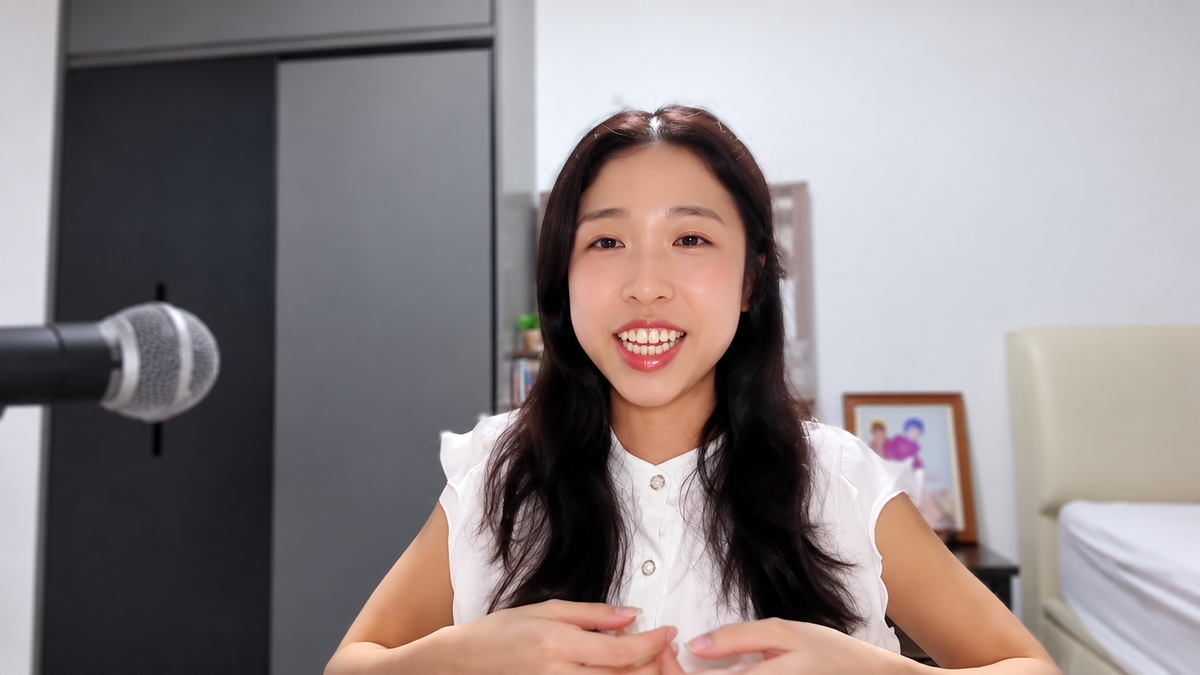
Rae loved singing and K-pop, but YouTube exercises left her with a question: was she actually doing them correctly? Without a music background or someone listening, she found it difficult to judge her own practice.
The Singapore-based student describes how one-on-one online vocal lessons gave her detailed feedback—and how returning to older songs helped her notice progress.
What was missing when Rae learned from YouTube?
Rae could watch an exercise, but she could not reliably tell whether she was following it accurately. There was no coach to hear her attempt, point out a problem, or help her adjust it.
When she found K-POP VOCAL COACH, she appreciated being asked to send a current singing video before the consultation. Understanding her starting point and choosing a suitable coach mattered to her.
How did private lessons compare with K-pop training camps?
Rae had also attended K-pop training camps. In her experience, a coach’s attention had to be shared among several students within limited time. She received help, but there was less room to go deeply into her individual difficulties.
In her private lessons, she describes having an hour of focused attention. Over time, her coach learned her strengths, weaknesses, and habits, then explained difficult parts in ways Rae could understand and use.
How did she recognize that her singing was improving?
There was no single breakthrough moment. Rae noticed changes gradually when she returned to songs she had practiced earlier. Parts that once felt difficult started to come out more naturally.
That is a useful detail in her story: progress did not need to arrive as one dramatic lesson. Comparing the same material over time helped her hear what had changed.
Did online lessons and interpretation work for her?
Yes. Rae initially worried that an online teacher might not hear or see enough to help in detail. Her experience changed that expectation. She says she learned vocal skills through the screen and enjoyed the lessons.
She also praises the interpreters for helping bridge communication with her coach. Understanding the explanation was part of being able to act on the feedback.
What would Rae tell another singer in Singapore?
Rae chose Korean vocal coaching because K-pop was the music she cared about. She wanted to learn from people working in that industry. She also valued lessons shaped around a student’s goal, whether that meant an audition or singing as a hobby.
Wondering what your practice needs? Explore our coaches and vocal analysis and one-on-one lessons.
Watch the interview

Three Years of Online Singing Lessons: Aya’s Story from Melbourne
Aya shares three years of online singing lessons from Melbourne, from detailed feedback and tailored song choices to singing at a friend’s wedding.

Learning to Sing K-Pop as a Hobby: Giorgia’s Story
Giorgia, an Italian hobby singer in Japan, shares how online Korean vocal lessons and interpretation helped her build confidence and understand her practice.

Why a Music Professor Took K-Pop Vocal Lessons: Donna Kwon’s Story
Music professor Donna Kwon shares what drew her to K-pop vocal technique and how online lessons helped her explore expression and teach with confidence.

Nari Kong’s Online Vocal Lesson: One Phrase, Clear Feedback
Watch Nari Kong guide a student through a short phrase online, with a demonstration and a focused correction to try in the next attempt.



