
How Do You Know If You’re Ready for a K-Pop Audition?
Readiness is easier to judge when you look at a repeatable performance, clear feedback, and a focused practice plan rather than months on a calendar.

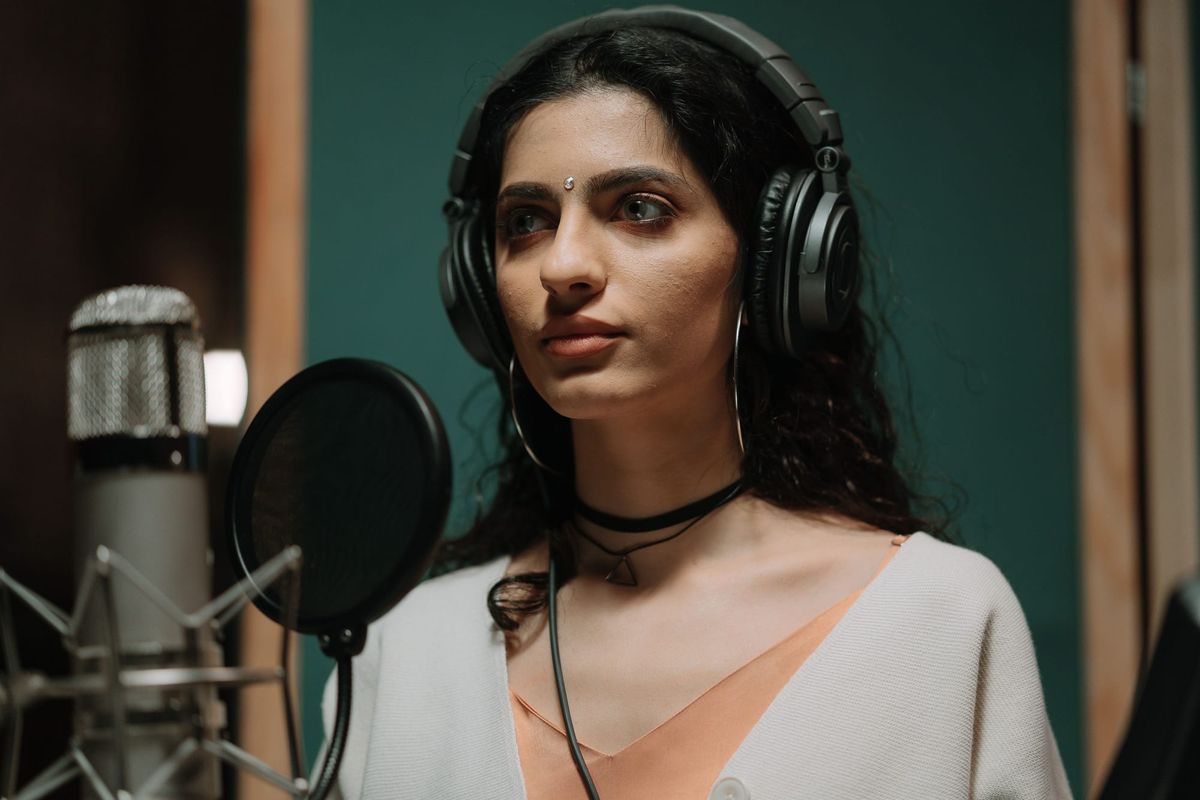
Build K-pop audition readiness through a sustained training plan and a performance you can repeat. Our preparation benchmark is at least six months of focused training with a minimum of one hour of practice each day, alongside professional feedback. Use that time to prepare your material, identify the weaknesses in your current voice, and check the changes in later recordings.
If you’ve been practicing for a while and still feel unsure, start with a clear assessment. “I need to get better” is hard to act on. “My opening pitch changes every take” gives you something specific to work on.
| What to assess | Question to answer | Useful next step |
|---|---|---|
| Your current performance | What stays reliable across full takes? | Record the complete audition section |
| Your main difficulty | Where does control break down? | Get feedback on a specific phrase or skill |
| Your practice plan | What will you change before the next recording? | Choose one priority and review the result |
| The application | Do you meet this audition’s requirements? | Read the current official instructions |
Why months of practice can still leave you unsure
Singing along to a playlist and watching tutorials can be useful parts of learning. They do not always show you whether a problem is changing. The original vocal can cover an uncertain entrance, and repeating an entire song can leave the hardest phrase untouched.
Make your practice easier to evaluate. Save a recording, identify one issue, and record the same section again after working on it. Compare the result with the first version rather than with a vague memory of how you used to sound.
Confidence often becomes more grounded when you can point to the improvement: a cleaner entrance, a steadier phrase, or more natural expression.
What should a coach assess?
A useful evaluation identifies what your voice already does well and what most needs attention. That may include pitch, rhythm, tone, phrase length, or the match between your song and your current range.
The feedback should lead to an action. If the song is too demanding, compare another key or another selection. If the rhythm is unclear, work on that passage before adding more vocal decoration. If a phrase sounds good only on one take, practice making it repeatable.
Coaching gives you an outside ear and a way to set priorities. It does not replace the practice you do between lessons.
How long should your preparation plan be?
Begin with an assessment of your starting point, then build the training period around the work you need. A singer with earlier vocal training and a nearly finished song needs different corrections from someone establishing basic pitch and rhythm. Both need regular review of the material they intend to submit.
Set a review point with clear performance goals. At that review, ask what has changed, what still needs work, and whether the chosen song remains the best fit.
For a younger teenager, use the preparation period to establish foundations early. In the later teens, delays can leave less time to build the skills a target project needs. Get your present level assessed, put the next review on the calendar, and check the chosen audition’s age requirements before making an application plan.
Our audition preparation checklist connects that training benchmark with two prepared songs and two dances. Keep the extra selections ready, then submit the material requested in the application.
Audition-readiness FAQ
Do I have to feel completely confident?
No. Nerves and preparation can exist together. Look for evidence in your performance instead of waiting for all uncertainty to disappear.
What should I bring to an assessment?
Bring the song or excerpt you are considering, a recent recording if you have one, and the questions you want answered. Be ready to describe how you currently practice.
At K-POP VOCAL COACH, vocal analysis and one-on-one online lessons connect feedback to a practical audition plan. Our coaches’ experience training idols and trainees can help you choose what to work on next. Find the right starting point for your voice.

Preparing for a K-Pop Audition from Overseas: Know the Level You’re Aiming For
Preparing for K-pop auditions overseas means closing a feedback gap as well as a travel gap. Build an external benchmark and a practical callback plan.

Passing a K-Pop Vocal Audition Is Only the Start of Training
A strong audition cut shows one performance. Learn what repeatable vocal technique adds when lessons, rehearsals, and new material begin.

K-Pop Audition Timing: Be Ready When a Role Opens
Companies build a group around the roles they need. Prepare a clear vocal contribution before an opening appears, with feedback on your current level.

K-Pop Late Starters: Why Companies Look for Readiness
Companies invest in training before debut and look ahead to an artist’s working years. See why later starters need clear, reliable skills now.



